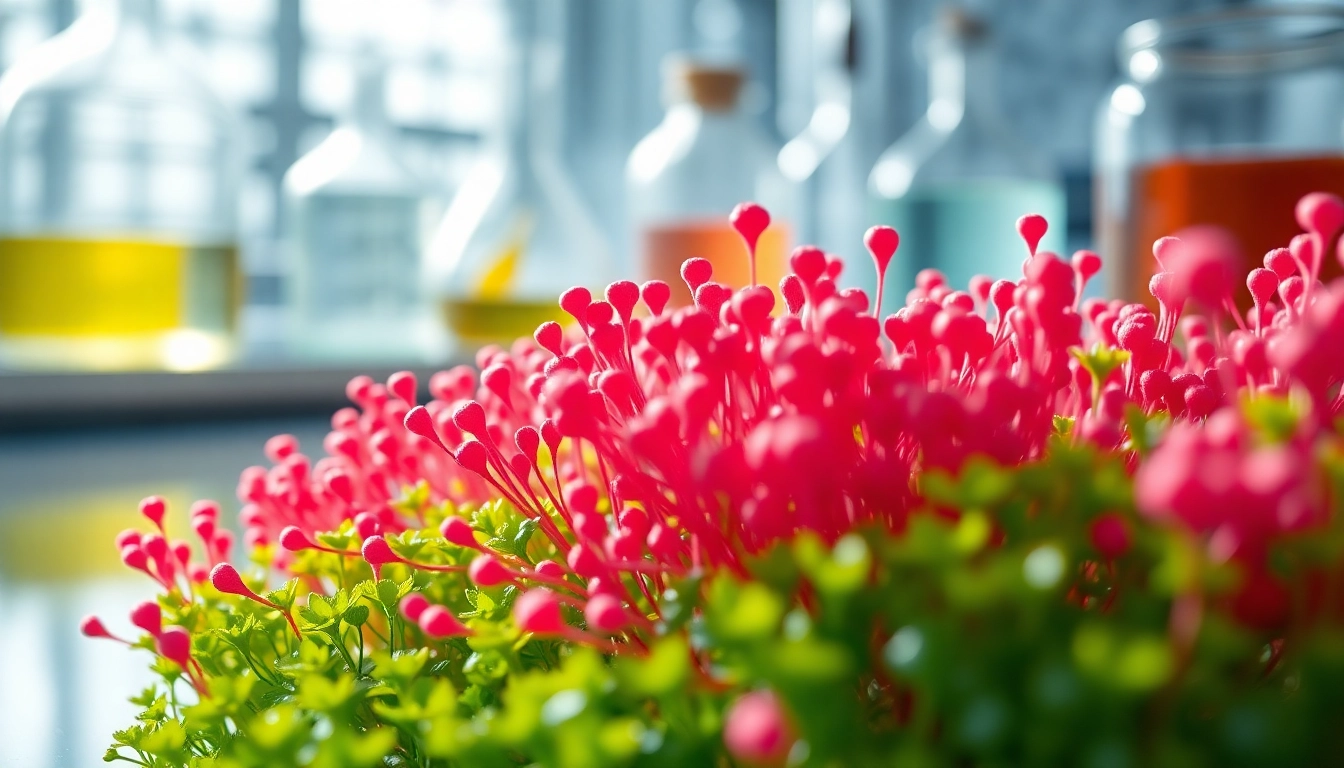
Understanding Astaxanthin: The Super Antioxidant
In recent years, astaxanthin has emerged as a crucial player in the field of health and wellness, drawing attention for its remarkable antioxidant properties. As a carotenoid derived primarily from microalgae, astaxanthin is found in various foods and supplements, providing a natural solution for boosting overall health. When exploring options, astaxanthin delivers comprehensive insights that can help individuals understand its benefits and applications in daily life.
What is Astaxanthin?
Astaxanthin is a naturally occurring red pigment that belongs to the carotenoid family. It is primarily produced by the microalgae Haematococcus pluvialis, which is often considered its richest source. This antioxidant not only imparts a vibrant hue to certain marine animals, such as salmon, shrimp, and flamingos, but also plays a vital role in their health and survival. Unlike many other antioxidants, astaxanthin possesses unique chemical properties that contribute to its effectiveness in combating oxidative stress in the body.
The Science Behind Astaxanthin's Antioxidant Properties
The antioxidant power of astaxanthin is attributed to its structure, which allows it to neutralize free radicals effectively. It can penetrate cell membranes, providing protection to both the inner and outer components of cells. Research suggests that astaxanthin is over 6000 times more potent than vitamin C in fighting oxidative stress and can stabilize cell membranes to prevent damage. This ability to enhance cellular protection helps reduce inflammation and support overall bodily functions.
How Astaxanthin Differs from Other Antioxidants
While many antioxidants are beneficial, astaxanthin stands out for several reasons. Unlike vitamin E, which is a fat-soluble antioxidant that protects against lipid peroxidation, astaxanthin can provide protection against both lipid and aqueous environments. This means it can combat oxidative stress in various biological contexts. Furthermore, astaxanthin does not become pro-oxidant under high concentrations, unlike some antioxidants, ensuring consistent protection without harmful side effects.
The Health Benefits of Astaxanthin
The health benefits associated with astaxanthin are wide-ranging, making it a valuable addition to a healthy lifestyle. From boosting immunity to supporting skin and eye health, this powerful antioxidant has much to offer.
Boosting Immunity: How Astaxanthin Helps
Astaxanthin enhances the immune response by increasing the activity of immune cells, such as T-cells and natural killer cells. By improving the body's ability to combat pathogens, astaxanthin may help reduce the duration and severity of common illnesses. Furthermore, its anti-inflammatory properties contribute to a balanced immune system, allowing the body to respond more effectively to infections.
Astaxanthin for Skin Health and Protection
Astaxanthin is also renowned for its skin-protective effects. It helps maintain skin elasticity, hydration, and overall appearance by reducing oxidative stress caused by UV exposure. Studies have shown that astaxanthin can improve skin moisture levels and reduce the appearance of fine lines and wrinkles, making it a popular ingredient in skincare products. Additionally, it may help in preventing sun-induced skin damage, providing an extra layer of protection.
Supporting Eye Health with Astaxanthin
The eyes are highly susceptible to oxidative damage, and astaxanthin has been shown to be particularly beneficial for eye health. This antioxidant can accumulate in the retina, helping to reduce inflammation and protect eye tissues from harmful light exposure. Research indicates that astaxanthin can help improve visual acuity and reduce the risk of eye-related conditions such as age-related macular degeneration (AMD) and cataracts.
Astaxanthin for Athletic Performance
For athletes and fitness enthusiasts, astaxanthin is becoming increasingly recognized for its potential to enhance performance and recovery.
Enhancing Endurance: Astaxanthin in Sports Nutrition
Astaxanthin has been shown to improve endurance by increasing aerobic capacity and reducing oxidative stress during intense physical activity. This carotenoid helps athletes perform better by promoting a healthier response to exercise, increasing energy levels, and improving overall stamina. Studies have suggested that supplementation with astaxanthin can enhance performance in endurance sports, making it a sought-after ingredient for athletes.
Reducing Muscle Fatigue and Inflammation
One of the most significant benefits of astaxanthin for athletes is its role in reducing muscle fatigue and inflammation. By decreasing oxidative stress and inflammation, it aids in quicker recovery times and less soreness after workouts. This means that athletes can train harder and more frequently, achieving their fitness goals efficiently.
Real-Life Testimonials from Athletes Using Astaxanthin
Numerous athletes have reported improved performance and recovery after incorporating astaxanthin into their diets. Professional cyclists, runners, and bodybuilders have shared experiences of enhanced endurance, quicker recovery periods, and reduced inflammation. These testimonials highlight the growing recognition of astaxanthin's role in sports nutrition, making it a staple for competitive and recreational athletes alike.
Incorporating Astaxanthin into Your Diet
With the numerous benefits astaxanthin offers, incorporating it into your diet can be straightforward and enjoyable.
Top Food Sources of Astaxanthin
Astaxanthin can be found in several food sources, particularly marine life. Foods rich in astaxanthin include:
- Wild-caught salmon
- Sardines
- Rainbow trout
- Shrimp and crab
- Red and pink foods like tomatoes and watermelon radish (though in lesser amounts)
Incorporating these foods into meals can help raise astaxanthin levels naturally.
Choosing the Right Astaxanthin Supplements
For those who find it challenging to obtain sufficient astaxanthin through diet alone, high-quality supplements are available. When selecting a supplement, look for:
- Products sourced from Haematococcus pluvialis for maximum potency.
- Formulations that contain no artificial additives or fillers.
- Third-party testing for purity and effectiveness.
Consulting with a healthcare provider before starting any new supplement regimen is advisable to determine the appropriate dosage and ensure compatibility with individual health needs.
Easy Recipes to Include Astaxanthin-Rich Ingredients
Incorporating astaxanthin-rich foods into your diet can be simple and delicious. Here are a couple of easy recipes:
- Salmon Salad: Flake steamed wild-caught salmon and mix with fresh greens, cherry tomatoes, avocado, and a lemon vinaigrette.
- Shrimp Stir-Fry: Sauté shrimp with bell peppers, broccoli, and carrots in olive oil, seasoned with garlic and ginger.
These meals not only provide astaxanthin but also contribute to a balanced diet rich in essential nutrients.
Future Trends: Astaxanthin in 2026 and Beyond
As the health supplement industry evolves, astaxanthin is poised to play an increasingly significant role in wellness strategies.
Emerging Research and Promising Studies
Ongoing studies are exploring the full potential of astaxanthin beyond its established benefits. Research is being conducted on its role in cognitive function, cardiovascular health, and chronic disease prevention. These emerging insights are likely to shape the future of wellness products and health recommendations.
Predicted Trends in Health Supplements
With the growing interest in natural and plant-based supplements, astaxanthin products are expected to gain traction. Innovations in formulation, such as combining astaxanthin with other beneficial ingredients, could enhance its efficacy and appeal. The trend towards sustainability may also impact sourcing methods, with an emphasis on eco-friendly practices in production.
Expert Opinions on Astaxanthin's Future Role in Wellness
Health and nutrition experts anticipate that astaxanthin will become a cornerstone in preventive health. With its wide-ranging benefits and safety profile, it is expected to be integrated into mainstream dietary recommendations and health protocols, further solidifying its status as a super antioxidant.
What are the side effects of astaxanthin?
Generally considered safe, astaxanthin may cause mild side effects in some individuals, including stomach upset or skin discoloration in rare cases. It is essential to follow recommended dosages when supplementing.
How much astaxanthin should I take daily?
Daily doses of astaxanthin vary based on individual health needs, but most studies suggest a range of 4 to 12 mg. Consulting a healthcare professional can help determine the appropriate amount.
Can astaxanthin help with weight loss?
While astaxanthin has not been conclusively proven to aid in weight loss directly, its antioxidant properties may support metabolic health and reduce inflammation, indirectly benefiting weight management when combined with a healthy lifestyle.
Is astaxanthin safe for pregnant women?
Due to limited research on its effects during pregnancy, it is advisable for pregnant women to consult their healthcare provider before using astaxanthin supplements.
What are the best natural sources of astaxanthin?
The best natural sources of astaxanthin are derived from certain seafood like salmon, trout, and shellfish, as well as from microalgae supplements. Incorporating these into your diet can significantly enhance your astaxanthin intake.