Understanding Home Improvement Basics
Home improvement is a broad and rewarding field, encompassing everything from minor repairs and maintenance to major renovations and redesigns. For homeowners and renters alike, the drive to create a functional and aesthetically pleasing living space is a common motivator. Whether you're looking to boost your home's value, improve energy efficiency, or simply personalize your environment, understanding the fundamentals is crucial. As you embark on your home improvement journey, you may find sources that provide deeper insights that can help you along the way. For detailed tips and insight, learn more.
What Does Home Improvement Entail?
Home improvement refers to the process of making enhancements to a residential property. This can include a wide range of activities, from small repairs to comprehensive renovations. Common projects include kitchen and bathroom remodels, adding a new room, updating fixtures, landscaping, and exterior work like painting or siding replacement. Each project can significantly enhance the function and appearance of a home.
Key Benefits of Enhancing Your Home
Investing in home improvements can yield extensive benefits, including:
- Increased home value: Renovated homes typically appraise higher than their non-renovated counterparts.
- Enhanced functionality: Well-planned improvements can make your space more comfortable and usable.
- Energy efficiency: Upgrading old systems and appliances can reduce utility bills and environmental impact.
- Aesthetic upgrades: Modernizing your home can enhance its appearance, making it more appealing to residents and visitors.
Common Home Improvement Myths Debunked
There are many misconceptions surrounding home improvement projects that can deter or mislead homeowners. Here are a few common myths:
- Myth 1: Renovations always require a large budget. Truth: There are many cost-effective improvements.
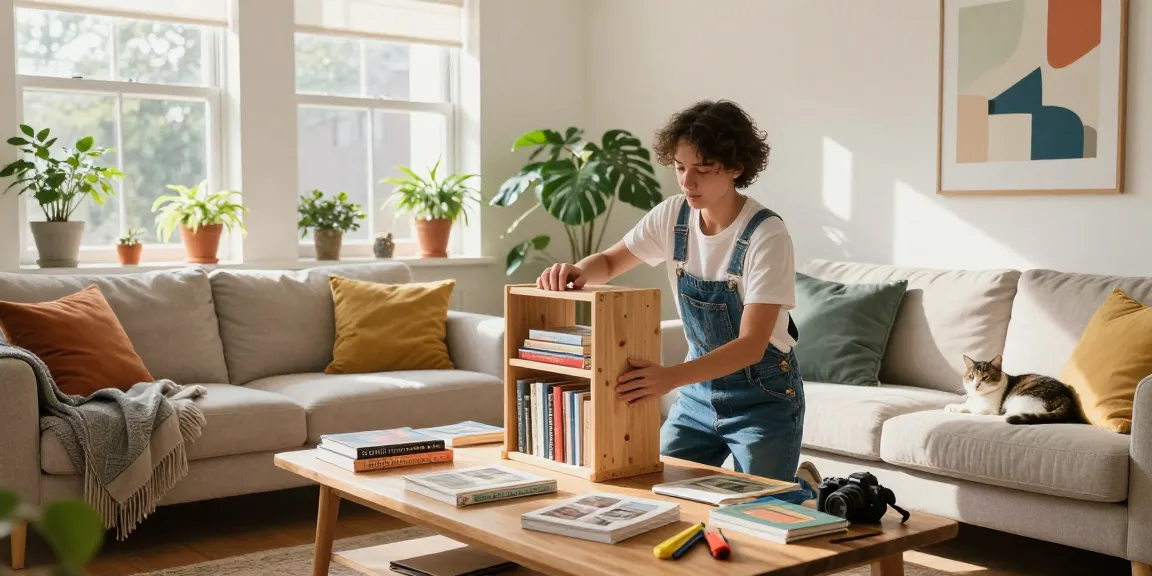
- Myth 2: You need a contractor for every project. Truth: Many small tasks can be done by DIY enthusiasts.
- Myth 3: Home improvements are only for resale. Truth: Many renovations are intended for personal enjoyment.
Planning Your Home Renovation
Planning is essential to successful home renovation. A strategic approach can save time, money, and frustration. You should start by identifying the specific areas in your home that need improvement and outlining your goals for each project.
How to Create a Home Improvement Plan
Creating a solid plan involves several steps:
- Assess your needs: What do you want to achieve? Is it more space, better efficiency, or improved aesthetics?
- Research: Look for inspiration and gather ideas. Websites, magazines, and home improvement shows can spark creativity.
- Set priorities: Create a list of projects ranked by importance and urgency.
- Develop a timeline: Establish a realistic schedule for when each project will take place.
Budgeting for Your Home Projects
Effective budgeting is critical to successful home improvement. Consider the following guidelines:
- Estimate costs: Research the potential costs of materials, labor, and permits.
- Set a budget: Decide how much you’re willing to spend, keeping some funds aside for unexpected expenses.
- Shop around: Compare prices from various suppliers and contractors to get the best deals.
Finding the Right Materials and Tools
Selecting quality materials and tools is essential for any project. Here’s how to ensure you make the right choices:
- Research materials: Understand the benefits of each material option based on durability, maintenance, and aesthetic appeal.
- Borrow or rent tools: If you don’t have the necessary tools, consider borrowing or renting to save costs.
- Purchase wisely: Invest in high-quality tools and materials, as they often save time and costs in the long run.
Executing Home Improvement Projects
With a plan in place and the right materials on hand, it’s time to dive into executing your home improvement projects. This section provides insights into carrying out tasks effectively and safely.
Step-by-Step Guide to Popular DIY Projects
Some popular DIY projects that are often within reach for most homeowners include:
- Painting walls: A fresh coat of paint can drastically change a room’s appearance.
- Installing new fixtures: Swapping out old light fixtures or faucets can modernize your space.
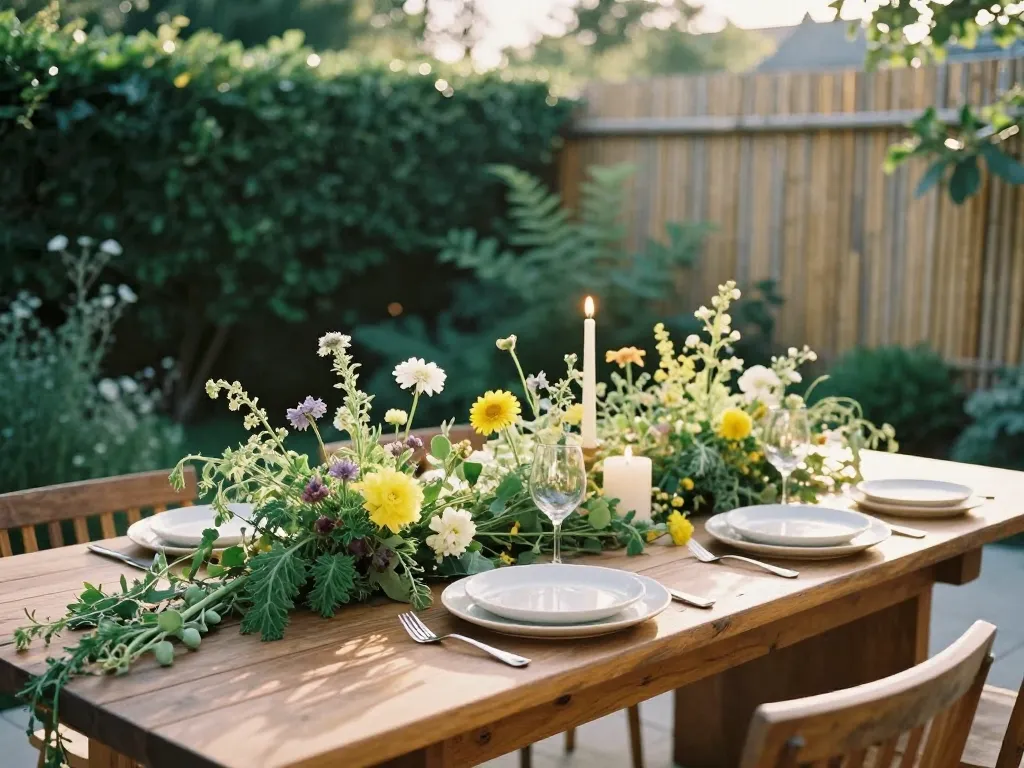
- Landscaping: Simple garden designs or flower arrangements can enhance curb appeal.
Safety Precautions to Take While DIY-ing
Safety should always be your primary concern when undertaking home improvement projects. Always follow these basic safety protocols:
- Wear protective gear: Use masks, goggles, and gloves to protect yourself from dust and debris.
- Follow instructions: Adhere strictly to product guidelines and installation instructions.
- Handle tools with care: Ensure you understand how to use any tool properly before starting your project.
Seeking Professional Help vs DIY: When to Decide
Knowing when to hire a professional and when to tackle tasks yourself can save time and money. Consider these factors:
- Complexity: If a project requires specialized skills, such as electrical or plumbing work, hire a professional.
- Time constraints: If you have limited time, it may be more efficient to enlist help.
- Confidence: Assess your own skills realistically; don’t attempt what you’re unsure about.
Decorating and Personalizing Your Space
Once renovations are complete, the next step is decoration and personalization. This process allows you to transform a house into a home that reflects your style and preferences.
Incorporating Personal Style in Home Projects
Your home should be a reflection of your personality. Incorporate personal touches by:
- Choosing meaningful decor: Use items that bring you joy, such as art or photos.
- Mixing styles: Don’t be afraid to combine various design styles for a unique look.
- DIY projects: Create your own decor pieces for a personal touch.
Choosing the Right Color Palettes and Textures
The right color palette can significantly affect the mood of your home. Consider these tips:
- Understand color psychology: Different colors evoke different emotions. Choose colors that promote the atmosphere you desire.
- Use textures: Incorporate various textures to add depth and interest to your spaces.
Tips for Effective Furniture Arrangement
Furniture arrangement can alter the functionality of a space. Here are suggestions for optimal flow:
- Prioritize functionality: Ensure furniture placement allows ease of movement and access.
- Create focal points: Arrange furniture around a central feature, such as a fireplace or window.
- Experiment: Don’t be afraid to rearrange as needed until you find the best setup.
Future Trends in Home Improvement
The industry of home improvement is constantly evolving, driven by technology, sustainability, and consumer desires. Staying informed about future trends can help you make choices that will remain relevant.
Innovative Techniques in Home Renovation
As technology advances, new techniques are emerging for home renovations. Some innovative methods to watch for include:
- Modular construction: This approach allows for faster and more efficient building using prefabricated elements.
- 3D printing: From furniture to wall panels, 3D printing technology is making customization more accessible.
Eco-Friendly Approaches to Home Design
As environmental concerns continue to grow, eco-friendly home improvement options are gaining popularity, such as:
- Recycled materials: Using reclaimed wood and other materials minimizes waste and adds character.
- Energy-efficient appliances: New technologies reduce energy usage and costs.
Preparing for Smart Home Technologies in 2026
Smart home technologies are set to transform the way we live. Key trends to watch for include:
- Home automation: From lighting to security systems, automation will increase convenience.
- Integration of AI: Smart assistants will take on more responsibilities, making homes more responsive to our needs.
What are the most popular DIY home improvement projects?
Some of the most popular DIY home improvement projects include painting, landscaping, and updating fixtures.
How can I budget effectively for home renovations?
Budget effectively by estimating costs, setting a spending limit, and shopping around for the best prices.
What safety measures should I take during DIY work?
Safety measures include wearing protective gear, following instructions, and using tools correctly.
How do I choose between DIY and hiring a contractor?
Consider the complexity of the project, your time constraints, and your confidence in completing the tasks when deciding between DIY and hiring professionals.
What emerging trends should I consider for my home in 2026?
Watch for modular construction, eco-friendly materials, and smart home technologies as emerging trends.