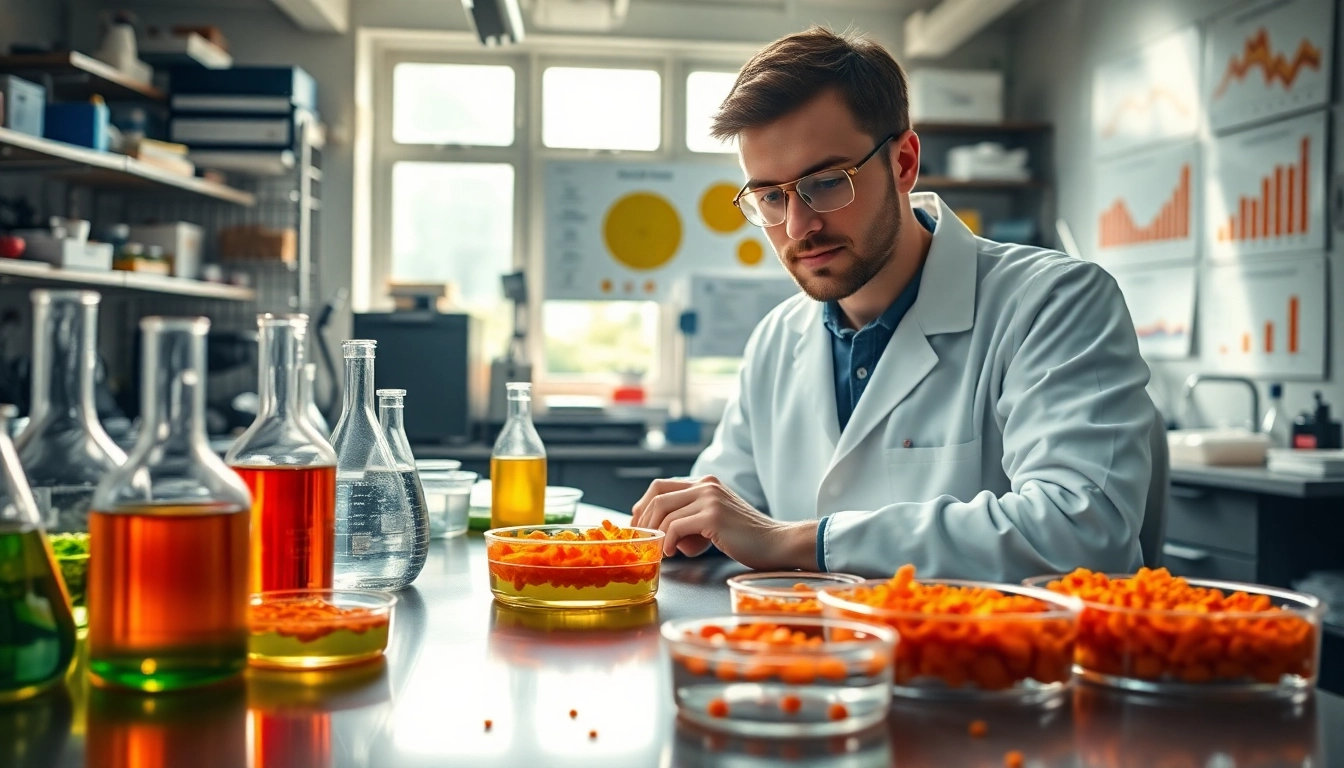
The Basics of Astaxanthin
What is Astaxanthin?
Astaxanthin is a powerful carotenoid pigment that imparts a distinctive reddish color to various organisms, including algae, salmon, and shrimp. It's renowned for its potent antioxidant properties, surpassing those of many other compounds, including vitamins C and E. This compound not only plays a crucial role in the survival of marine life but has also gained traction as a dietary supplement for its potential health benefits. Understanding what is astaxanthin made from can provide insight into its natural sources and applications.
Natural Origins of Astaxanthin
The primary source of natural astaxanthin is the microalgae Haematococcus pluvialis, which synthesizes this pigment as a protective mechanism against environmental stress. Astaxanthin is also found in various seafood, notably in salmon, trout, and krill, which consume these algae. The ecosystem's structure allows for the carotin's bioaccumulation, meaning it becomes more concentrated as it moves up the food chain.
Astaxanthin's significance extends far beyond coloration; it provides protection against oxidative stress in these organisms, enabling them to thrive in harsh marine environments. It is essential for their survival and health, thus presenting an intriguing area of study for researchers and health enthusiasts alike.
Health Benefits of Astaxanthin
Astaxanthin is celebrated for its extensive health benefits, particularly its powerful antioxidant effects. These benefits include enhancing skin health by reducing oxidative stress, improving endurance and reducing muscle fatigue in athletes, and promoting eye health by protecting against UV light damage. Additionally, research suggests that astaxanthin may support cardiovascular health by improving blood lipid profiles and reducing inflammation, thereby providing a multifaceted approach to wellness.
Furthermore, it may help in maintaining cognitive health by supporting neuronal function and reducing the risk of neurodegenerative diseases. Such extensive health benefits have led to increased interest in astaxanthin as a natural supplement and its incorporation into functional foods.
What is Astaxanthin Made From?
Primary Sources of Astaxanthin
The primary sources of astaxanthin are microalgae, particularly Haematococcus pluvialis, which is considered the richest natural source. This species is cultivated for commercial purposes due to its high astaxanthin yield. It provides a sustainable and eco-friendly source of astaxanthin compared to synthetic alternatives. Additionally, crustaceans such as shrimp and krill also serve as essential sources, gaining the pigment through their natural diets.
Fish such as salmon acquire astaxanthin through their consumption of these microalgae and crustaceans, playing a crucial role in their vibrant coloration and health. Additionally, other algae species like Chlorella and Phaffia rhodozyma contribute smaller amounts, thus diversifying the sources available in the marketplace.
The Role of Microalgae in Astaxanthin Production
Microalgae are at the forefront of astaxanthin production, serving as the foundation of the aquatic food web. Haematococcus pluvialis produces astaxanthin in response to stress factors such as UV radiation, nutrient deprivation, and high salinity. This mechanism is critical for its survival, creating a natural reservoir of astaxanthin in nature.
The cultivation of microalgae for astaxanthin extraction has gained significant attention in the supplement industry. With the advancement of biotechnology, controlled cultivation environments can optimize astaxanthin production, ensuring high quality and purity while minimizing environmental impacts. This sustainable approach aligns with global efforts towards eco-friendly practices in food and supplement production.
Other Natural Ingredients Containing Astaxanthin
Beyond microalgae, astaxanthin is also present in various marine organisms. Krill, a small crustacean, contains astaxanthin, which contributes to its deep red color and is a popular ingredient in dietary supplements, particularly for omega-3 fatty acids. Similarly, trout and some fish species also acquire astaxanthin through their diet, integrating it into their biological makeup.
Other less prevalent sources include yeast and certain types of red seaweed, although they provide astaxanthin in far lesser quantities compared to microalgae and crustaceans. These diverse natural sources enrich the potential for astaxanthin in various food and health applications.
How is Astaxanthin Extracted?
Extraction Methods Explained
Extracting astaxanthin typically involves several methods, aiming to isolate this valuable compound while maintaining its integrity. The most common techniques include solvent extraction, supercritical CO2 extraction, and enzymatic extraction.
Solvent extraction uses organic solvents to dissolve astaxanthin, separating it from other components. However, this method may leave residual solvents, raising quality concerns. Supercritical CO2 extraction presents a cleaner alternative, where carbon dioxide is utilized under high pressure to extract astaxanthin without harmful residues, making it preferable in health supplement production.
Enzymatic extraction leverages specific enzymes to break down the cell walls of microalgae, releasing astaxanthin in a more natural manner. This method is gaining traction due to its efficiency and minimal environmental impact.
Purity and Quality Control
Maintaining the purity and quality of astaxanthin throughout the extraction process is paramount. Rigorous quality control measures are implemented to ensure that astaxanthin is free from contaminants and retains its structural integrity. This includes testing for the presence of heavy metals, pesticides, and microbial contamination.
Additionally, standardization processes ensure that each batch of astaxanthin meets specific potency criteria, providing consumers with reliable quality. Manufacturers often conduct third-party testing to enhance transparency and accountability in the supply chain.
Environmental Impact of Extraction Processes
The environmental impact of astaxanthin extraction can vary tremendously depending on the methods used. Traditional extraction techniques can contribute to pollution and resource depletion if not managed properly. In contrast, modern eco-friendly approaches, such as supercritical CO2 extraction, aim to minimize environmental footprints by utilizing renewable resources and reducing waste.
Furthermore, sustainable cultivation practices for microalgae significantly reduce the ecological impact compared to extensive fishing or other resource-intensive extraction methods. This shift towards sustainability is crucial for environmental preservation and aligns with consumer preferences for eco-conscious products.
Applications of Astaxanthin
In Health Supplements
The nutraceutical industry recognizes astaxanthin's potential, leading to its incorporation into health supplements. These products often target specific wellness aspects, such as anti-aging benefits, eye health, and immune support. Various formulations are available, including soft gels, capsules, and liquid extracts, allowing consumers to select options that suit their preferences.
Studies have shown that astaxanthin's antioxidant potency can support overall health, making it a sought-after ingredient in the supplement realm. Its role in enhancing physical performance has also garnered attention from athletes seeking natural ways to improve endurance and recovery.
In Cosmetics and Skincare
The cosmetic industry has embraced astaxanthin for its skin health benefits, launching various skincare products featuring this potent antioxidant. Due to its ability to combat oxidative stress, astaxanthin helps protect the skin from environmental damage, reducing signs of aging.
Topical applications, such as serums and creams, are formulated to enhance skin elasticity, hydration, and overall health. As the demand for natural ingredients continues to rise, astaxanthin holds a prominent place in the skincare market, appealing to consumers seeking effective yet gentle solutions.
In Animal Nutrition
Astaxanthin is used as a valuable feed additive in aquaculture and livestock to enhance the coloration and health of animals. Its incorporation into fish feed not only promotes vibrant coloration in farmed salmon but also supports overall animal health and immune function.
The use of astaxanthin in poultry and livestock feeds can improve meat quality, benefiting both animal wellbeing and consumer satisfaction. This application demonstrates astaxanthin's versatility beyond human consumption, affecting various aspects of food production and safety.
Frequently Asked Questions
1. What is Astaxanthin used for?
Astaxanthin is primarily used for its powerful antioxidant properties, supporting skin health, athletic performance, eye health, and overall wellbeing.
2. Is Astaxanthin safe to consume?
Generally regarded as safe, astaxanthin can be consumed in recommended dosages. However, it's advisable to consult with a healthcare provider before starting any new supplement.
3. How does Astaxanthin compare to other antioxidants?
Astaxanthin is significantly more potent than many other antioxidants, boasting superior ability to neutralize free radicals while providing comprehensive cellular protection.
4. Can I get Astaxanthin from food?
Yes, astaxanthin is naturally found in several foods, particularly in salmon, shrimp, and certain algae, contributing to their distinctive colors.
5. What are the side effects of Astaxanthin?
Astaxanthin is well-tolerated; however, some individuals may experience digestive issues or allergic reactions. Monitoring intake is wise, especially when beginning supplementation.